Christa Pike’s failed lethal-injection procedure added a startling new chapter to America’s history of botched capital punishment.
Pike was the latest person to survive a lethal-injection attempt, but her case differed from the others because the dr*gs were administered before officials stopped the procedure.
Her experience also brought renewed attention to seven earlier survivors, including Romell Broom, Kenneth Eugene Smith, Doyle Lee Hamm, Alan Miller, Thomas Creech, Alva Campbell, and Tony Carruthers.
Their stories span Ohio, Alabama, Idaho, and Tennessee, with failed IV attempts, medical complications, legal battles, and, in some cases, second attempts.
Here’s what happened to each of them.
#1 Christa Pike
On September 30, 2026, Pike entered Tennessee’s d*ath chamber nearly three decades after she was sentenced for capital punishment for the 1995 slaying of 19-year-old Colleen Slemmer.
Pike was 18 when she was convicted and sentenced in 1996. Her then-boyfriend, Tadaryl Shipp, was 17 and received a life sentence with the possibility of parole.
The lethal-injection procedure began after Pike’s lawyers spent hours pursuing last-minute legal challenges. They had warned that her difficult veins and other medical issues could make establishing an IV particularly challenging. The U.S. Supreme Court ultimately allowed the state to proceed.
The problems began almost immediately.
According to Pike’s attorney Randy Spivey, the team spent about an hour attempting to establish an IV line. He counted at least seven needles in Pike’s left arm, including one that appeared bent. During the attempts, Pike told witnesses, “My arm feels like it's about to burst open.”
The state eventually administered pentobarbital. Pike, however, remained alive.
Witnesses continued to hear her breathing, and she later began snoring.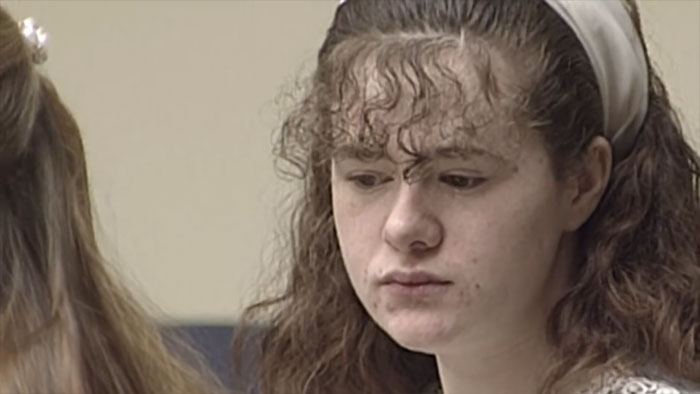
WBIR Channel 10
When the first dose did not result in her passing, officials administered a second dose, as required under Tennessee’s protocol.
Pike still did not pass away.
The curtain was then closed, leaving witnesses unable to see what was happening inside the chamber.
Spivey later said, “No one knew what was going on behind that curtain,” and added, “I had no idea when and if medical professionals began to assist,” according to the BBC.
Pike's breathing sounds continued for roughly 40 minutes.
Around 8:50 p.m., officials confirmed that an ambulance was coming.
At 8:53 p.m., witnesses were ordered to leave the area. Emergency vehicles arrived later, and Pike was transported to a hospital.
By the following day, she remained in critical condition.
Spivey said, “We don't have a sense of her prognosis or much update on her health at the moment... But we do know that she is alive right now.”
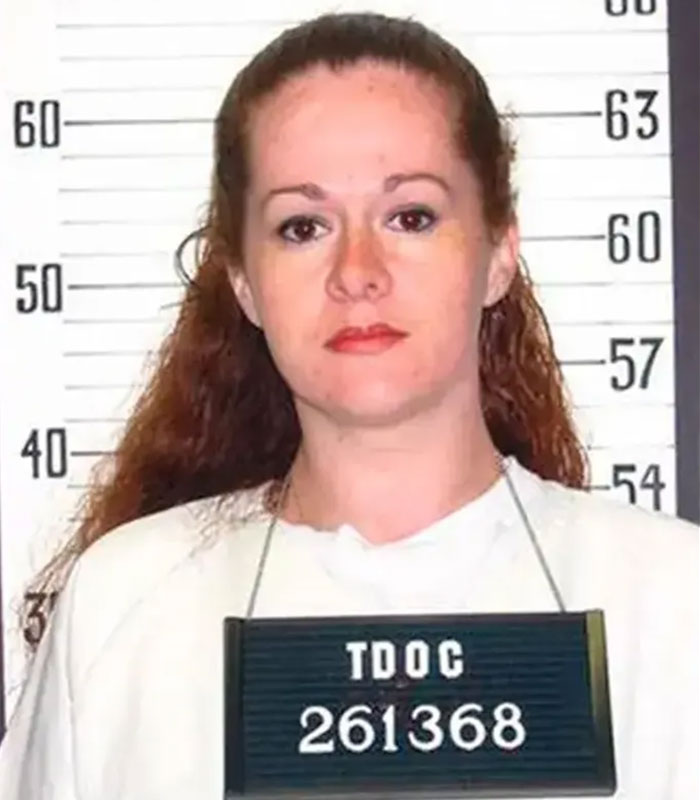
© Photo: Tennessee Department of Corrections
#2 Romell Broom
When Ohio tried to carry out Broom’s capital punishment on September 15, 2009, the procedure never reached the point where lethal dru*s entered his body.
For more than two hours, the team struggled to establish a usable IV line, trying 18 different sites across Broom’s arms and legs.
In one attempt, a needle struck bone. Broom even tried to help the team find a vein, but they could not establish reliable access.
Eventually, the team found a vein, but it collapsed when they attempted to inject saline.
Broom broke down in tears as the attempts continued. Ohio Governor Ted Strickland ultimately granted him a one-week reprieve, ending the procedure.
The failed attempt became a major legal question for Broom.
He argued that allowing the state to try again would violate the Constitution’s Double Jeopardy Clause and subject him to cruel and unusual punishment.
In 2016, the Ohio Supreme Court rejected those arguments in a 4-3 decision and allowed the state to schedule another attempt.
The court distinguished between establishing an IV and administering the lethal dr*gs.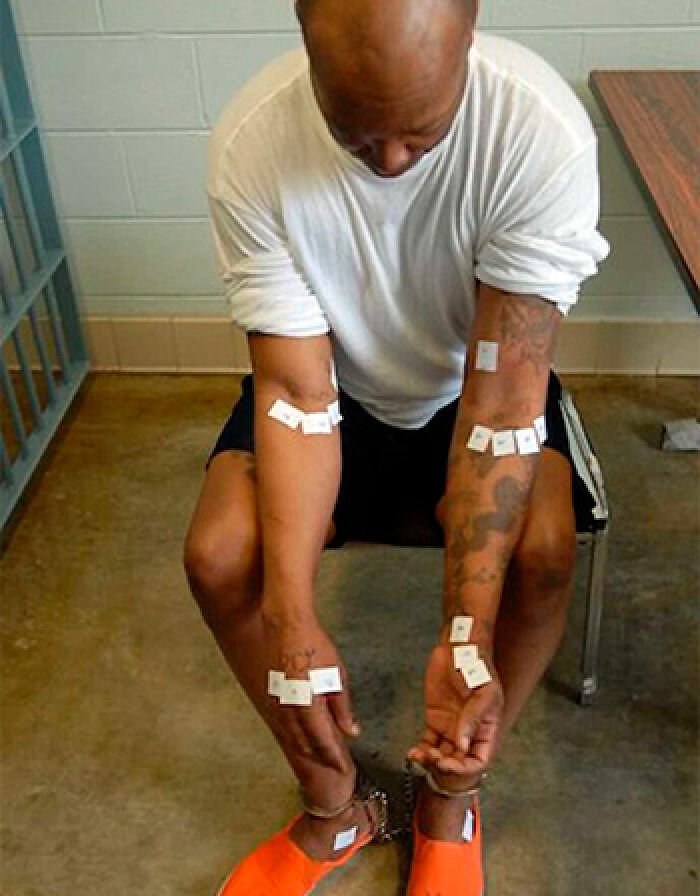
Equal Justice Initiative
Justice Judith Lanzinger, writing for the majority, described the IV process as a “preliminary step” and said the procedure would legally begin only when the lethal dr*g entered the IV line.
Because that never happened in 2009, the court concluded that jeopardy had not attached.
Broom’s lawyers continued challenging the state’s plans. His second scheduled date, June 17, 2020, was eventually postponed after Governor Mike DeWine cited the unavailability of lethal-injection dr*gs. The state rescheduled the procedure for March 16, 2022.
Broom never reached that date.
He passed away on Ohio’s d*ath row on Decemebr 28, 2020, at 64. Corrections officials placed him on the state’s “COVID probable list,” pending confirmation of his cause of passing. He had spent more than half his life on de*th row.
Robert Dunham, then executive director of the D*ath Penalty Information Center, described Broom’s case as “one of the most significant botched executions in American history,” per Cleveland.
He also argued that the incident demonstrated the risks involved in lethal injection, saying, “Lethal injection has the appearance of a medical procedure, but it is carried out by non-medical personnel.”
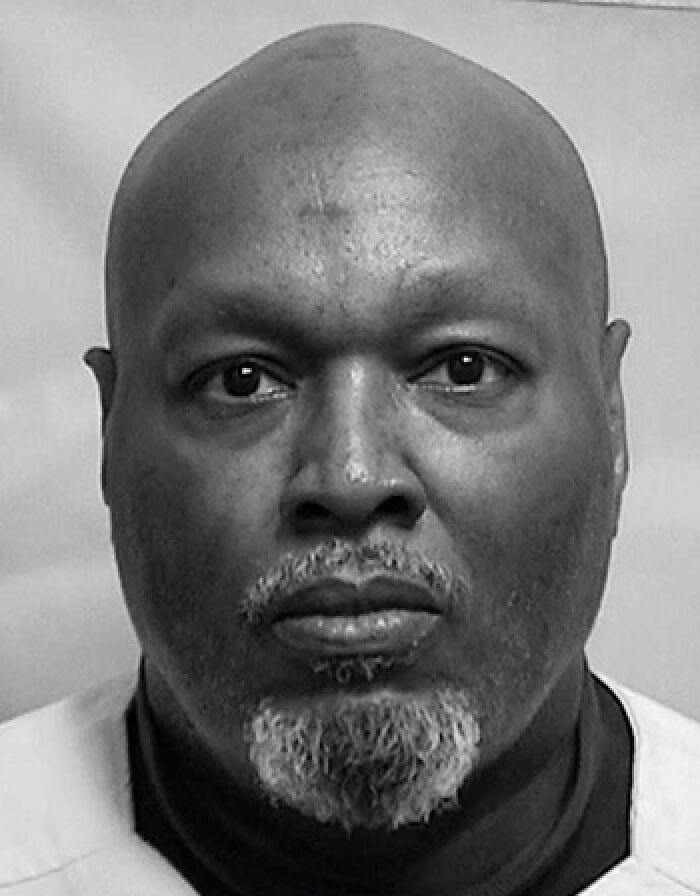
© Photo: Equal Justice Initiative
#3 Kenneth Eugene Smith
Eugene Smith’s first encounter with Alabama’s d*ath chamber ended before the state could administer the lethal dr*gs.
His second attempt, however, would make him the first person in the world to be put to capital punishment using nitrogen hypoxia.
Smith was convicted of the 1988 slaying for hire of 45-year-old Elizabeth Sennett and was sentenced to capital punishment after a second trial in 1996.
A jury had recommended life imprisonment by an 11-1 vote, but the trial judge overruled that recommendation and imposed a capital sentence.
His first attempt came on November 17, 2022. Smith was taken to the chamber and strapped to a gurney while his lawyers were still fighting in court.
The US Court of Appeals for the Eleventh Circuit issued a story shortly afterward, but the Alabama Department of Corrections did not immediately tell Smith.
By the time the lethal-injection team began working on him, Smith had already spent hours restrained on the gurney.
The team struggled to establish an IV line, repeatedly attempting to find a usable vein in his arms and later attempting a central line near his collarbone. The efforts continued for more than an hour without success.
Smith later described the experience in court filings, saying he believed the state was still trying to slay him. His lawyers alleged that the experience caused severe pain, trembling, sweating, hyperventilation, and difficulty walking after the attempt was abandoned.
At around 11:20 p.m., Alabama officials called off the procedure after failing to establish the required IV access. It became the state’s third consecutive botched lethal-injection attempt.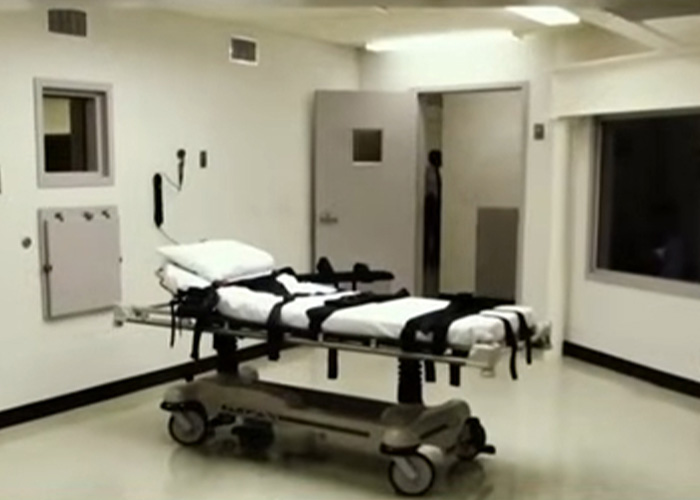
NBC News/YouTube
The experience did not end Smith’s first capital-punishment attempt. His lawyers later said it left him with post-traumatic stress disorder, while Smith challenged Alabama’s authority to subject him to another procedure.
Alabama subsequently pursued a different method.
In 2023, the state obtained approval to put Smith to d*ath using nitrogen hypoxia, a method that had never before been used for capital punishment.
Smith’s lawyers argued that subjecting him to a second attempt after the failed lethal injection violated constitutional protections and warned about the risks of the new procedure.
The US Supreme Court ultimately rejected his final appeals.
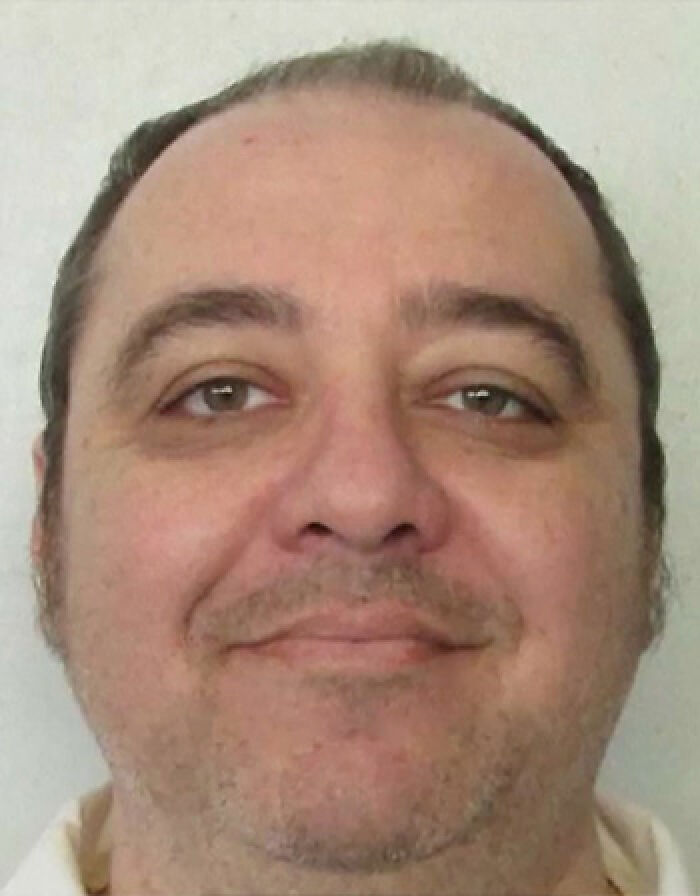
On January 25, 2024, Smith was taken back to the d*ath chamber. This time, Alabama used a full-face mask to administer nitrogen gas. He was pronounced lifeless at 8:25 p.m., making him the first person to be put to d*ath by nitrogen hypoxia.
His final statement read, “Tonight, Alabama caused humanity to take a step backward,” Smith said. “I leave with love, peace and light. I love all of you. Thank you for supporting me.”
Witnesses reported that Smith appeared to convulse and struggle during the procedure, while Alabama officials maintained that the reactions were expected effects of nitrogen hypoxia.
His spiritual adviser, Rev. Jeff Hood, disputed that characterization, saying, “What we saw was minutes of someone struggling for his life.”
© Photo: Alabama Department of Corrections
#4 Doyle Lee Hamm
By the time Alabama prepared to put Doyle Lee Hamm to capital punishment on February 22, 2018, his health had already made lethal injection extremely difficult.
Hamm had spent 31 years on d*ath row after being convicted of the 1987 slaying of motel clerk Patrick Cunningham during a robbery in Cullman, Alabama.
Hamm had developed B-cell lymphoma and other cancer-related complications by 2014. Years of treatment, along with Hepatitis C and a history of intravenous dr*g use, had severely compromised his veins.
An independent anesthesiologist, Dr. Mark Heath, examined Hamm in September 2017 and concluded that “the state is not equipped to achieve venous access in Mr. Hamm’s case.”
His attorney, Bernard Harcourt, repeatedly warned Alabama that the procedure could cause severe harm.
Despite those warnings, the state moved forward.
On February 22, the U.S. Supreme Court briefly stayed the procedure before lifting the stay at about 8:40 p.m. Justices Ruth Bader Ginsburg and Sonia Sotomayor dissented, noting that Alabama’s proposed approach had “never been tried before in Alabama.”
The attempt continued for roughly two and a half hours as the medical team struggled to establish an intravenous line.
According to a medical report later filed in court, officials tried accessing veins in Hamm’s legs and ankles before attempting a central line near his groin.
Dr. Heath’s report documented the aftermath.
Hamm suffered multiple puncture wounds and bruising, while blood appeared in his urine after the procedure.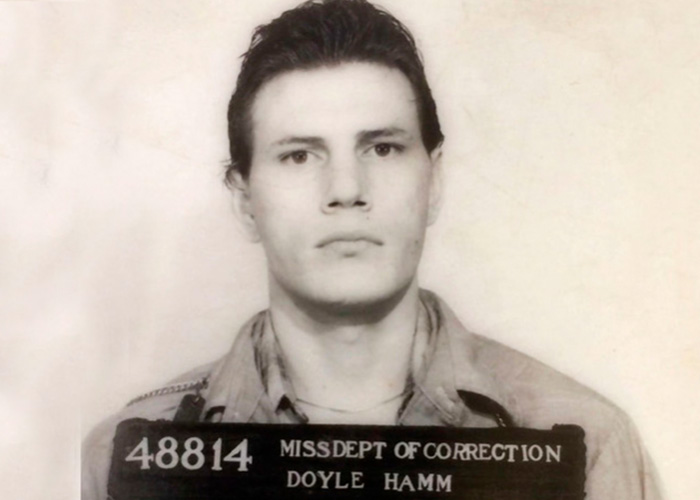
Wikipedia
Heath wrote that Hamm eventually hoped the team would succeed because he wanted to “get it over with” rather than continue experiencing severe pain.
Just before midnight, Alabama abandoned the attempt because the d*ath warrant was about to expire.
Corrections Commissioner Jeff Dunn said, “I wouldn’t necessarily characterize what we had tonight as a problem,” while explaining that the team had run out of time.
Hamm’s attorneys filed a civil-rights lawsuit on March 5, 2018, arguing that another attempt would violate his constitutional rights.
Less than a month later, on March 26, Hamm and Alabama reached a confidential settlement that ended the state’s efforts to schedule another lethal-injection attempt.
The settlement effectively left Hamm serving life in prison without parole, although his capital punishment was never formally commuted.
Hamm remained incarcerated until he passed from cancer-related complications in November 2021, aged 64.
According to the D*ath Penalty Information Center, he became the third person in the United States to survive a botched lethal-injection attempt.
The case also triggered a separate legal fight over Alabama’s secrecy surrounding its capital-punishment procedures.
In 2019, the Eleventh Circuit upheld an order requiring the state to release its lethal-injection protocol and related records, writing that “the public needs to know how the State administers its laws.”

© Photo: d***hpenaltyinfo
#5 Alan Eugene Miller
Miller became part of the rare group of people who survived an attempted lethal injection when Alabama failed to establish intravenous access on September 22, 2022. The state later agreed not to use lethal injection against him again.
Miller had been sentenced to capital punishment for the 1999 slaying of three men in Pelham, Alabama. Prosecutors said he sh*t two co-workers, Lee Holdbrooks and Christopher Yancy, before driving to a former workplace and slaying his former supervisor, Terry Jarvis.
He received capital punishment in 2000.
His first capital-punishment attempt began in September 2022 after years of appeals.
Prison staff struggled to establish an IV line, and the procedure continued as the midnight deadline approached.
According to NBC News, Miller later described the process as “excruciating,” saying two men repeatedly punctured his arms and foot while trying to find a usable vein.
The state ultimately called off the attempt because officials could not complete the procedure before the d*ath warrant expired.
Miller subsequently filed a federal lawsuit challenging another lethal-injection attempt.
In November 2022, Alabama agreed that it would not use lethal injection to put him to d*ath and would instead use nitrogen hypoxia.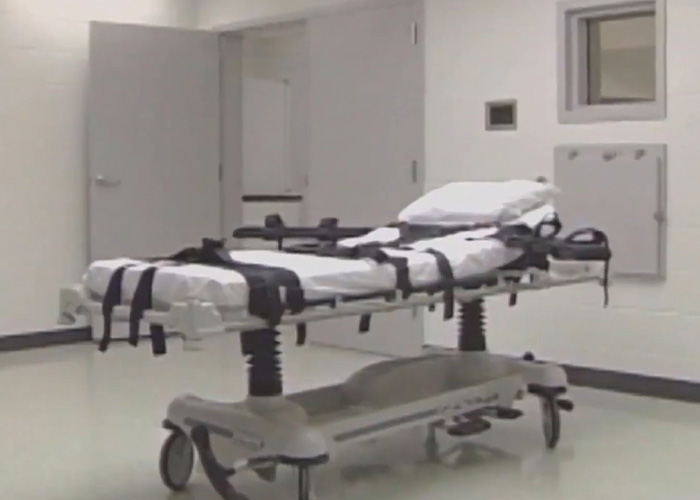
KTVOtv/YouTube
Miller's lawyers later raised concerns about the new method.
Court documents showed that Miller questioned whether officials could properly fit the mask over his face, saying, “I’ve got a big old head. Nothing else fits my head.” He also described the situation as “psychological terror.”
Despite those concerns, Alabama proceeded with nitrogen hypoxia on September 26, 2024.
Miller was pronounced lifeless at 6:38 p.m., making him the second person to undergo the method after Kenneth Eugene Smith.
Witnesses reported that Miller shook and pulled against his restraints for roughly two minutes before intermittently gasping for air for several more minutes.
Spiritual adviser John Muench, who witnessed the procedure, said, “We don’t see people jerking around like that while they’re dying normally. His face was twisted, and he looked like he was suffering.”
Alabama Corrections Commissioner John Q. Hamm gave a different account, saying the movements were expected and that “everything went according to plan and according to our protocol.”
Miller's final statement was, “I didn’t do anything to be in here.”
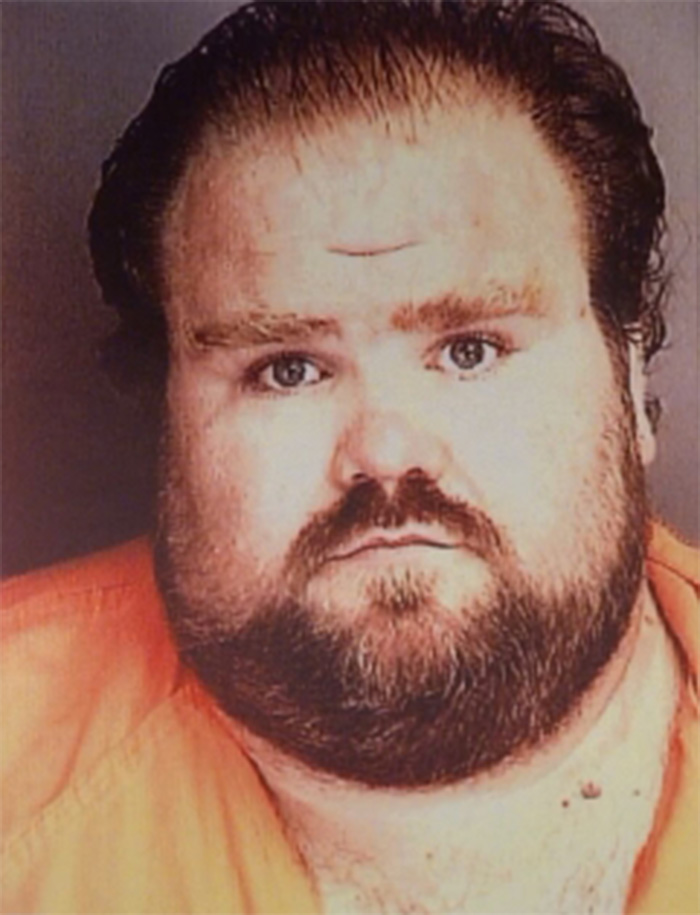
© Photo: Wikipedia
#6 Thomas Creech
Thomas Creech had spent decades on Idaho’s d*ath row when the state finally scheduled his lethal-injection procedure for February 28, 2024.
He had been sentenced to capital punishment for the 1981 slaying of fellow inmate David Dale Jensen while serving a life sentence.
Creech had already become Idaho’s longest-serving d*ath-row inmate.
His February 2024 procedure followed the Idaho Commission of Pardons and Parole's 3–3 deadlock on his clemency request on January 29.
Governor Brad Little later declined to grant clemency, and a judge signed a new d*ath warrant on January 30.
On February 28, the medical team entered the chamber and spent nearly an hour trying to establish intravenous access. According to the Idaho Department of Correction, the team made eight attempts across Creech’s arms, hands, legs, and feet.
Idaho Department of Correction Director Josh Tewalt later explained that the team sometimes encountered an access problem and, at other points, managed to establish access but found the veins unsuitable.
“The medical team could not establish an IV line, rendering the e*ecution unable to proceed,” the department said in a statement.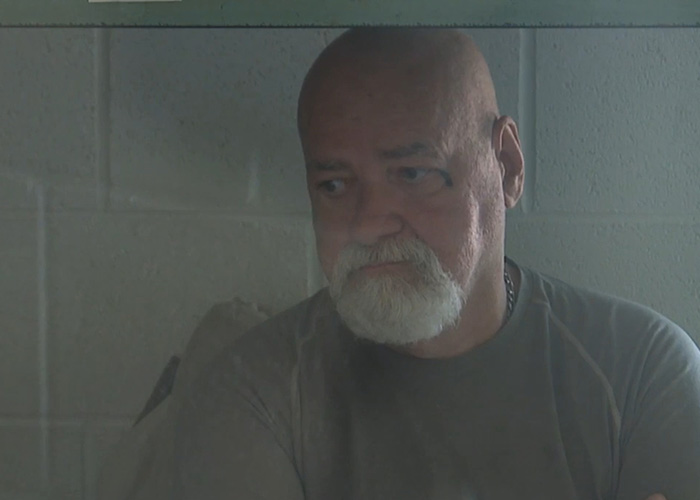
Idaho News 6/YouTube
After 58 minutes, officials called off the procedure. No lethal dr*gs were administered, and Creech was returned to his cell.
His lawyers later argued that the failed attempt had left him traumatized.
In an October 2024 petition, they wrote that another attempt would amount to “t*rture and a lingering d*ath.”
They also challenged the legality of subjecting him to another capital-punishment procedure after the February failure.
The state later modified its slaying facility to include a preparation room where staff could establish central venous access if needed.
Creech received another capital punishment warrant in October 2024, setting November 13 as his next date. However, a federal judge granted a stay on November 6 to allow further legal challenges to proceed.
As of July 2026, Creech remained on d*ath row at the Idaho Maximum Security Institution, with no new capital punishment date set.
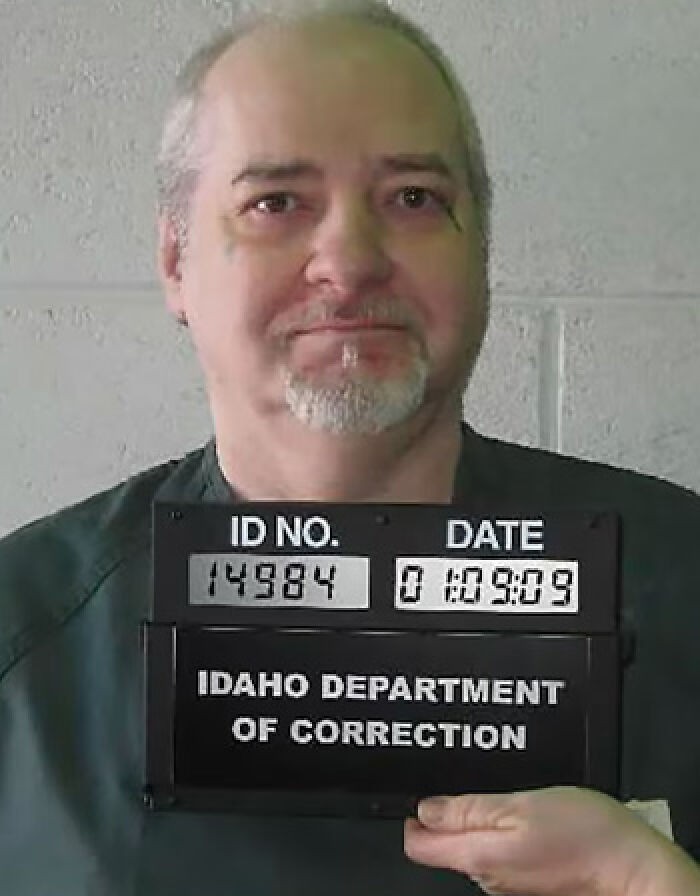
© Photo: Idaho Department of Correction
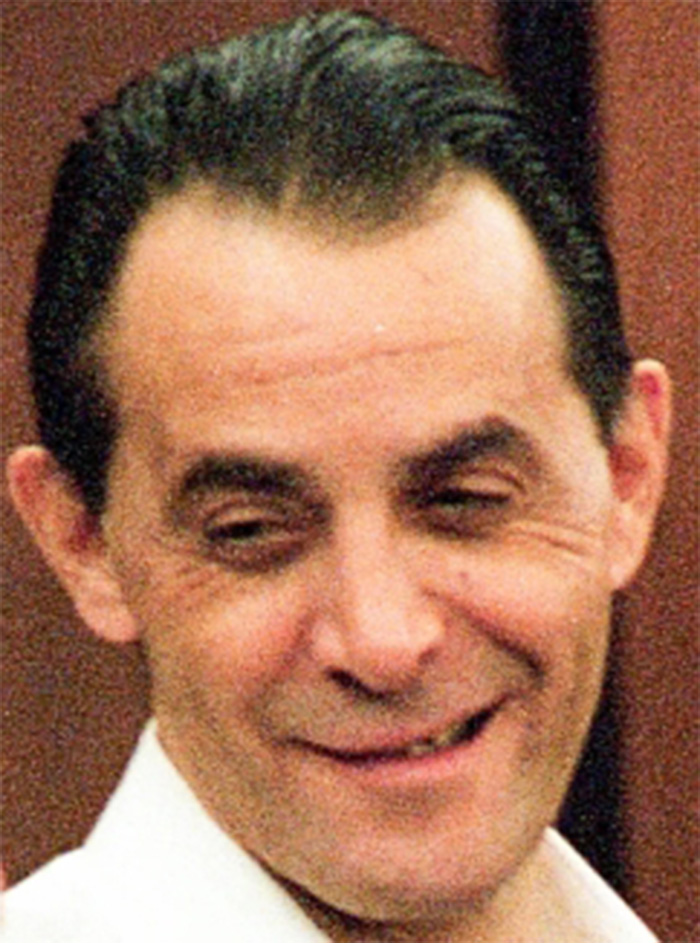
#7 Alva Campbell
Campbell was already in extremely poor health when Ohio scheduled his lethal-injection procedure for November 15, 2017.
The 69-year-old capital punishment prisoner had lung cancer, COPD, respiratory failure, prostate cancer and severe pneumonia. He also used a colostomy bag, needed oxygen treatments four times a day, and relied on a walker for limited mobility.
His attorneys had warned that his medical condition could make IV access difficult.
Lead counsel David Stebbins described Campbell as “an old and frail man who is no longer a threat to anyone” and warned that the procedure could become a “spectacle” if officials could not find a suitable vein.
The concerns became reality inside Ohio’s d*ath chamber.
The capital punishment was delayed for nearly an hour while officials assessed Campbell’s veins. Once the procedure began, members of the capital punishment team worked on both arms for about 30 minutes. They then tried his right leg below the knee while using a device that appeared to help locate veins.
Witnesses saw Campbell repeatedly stuck with needles.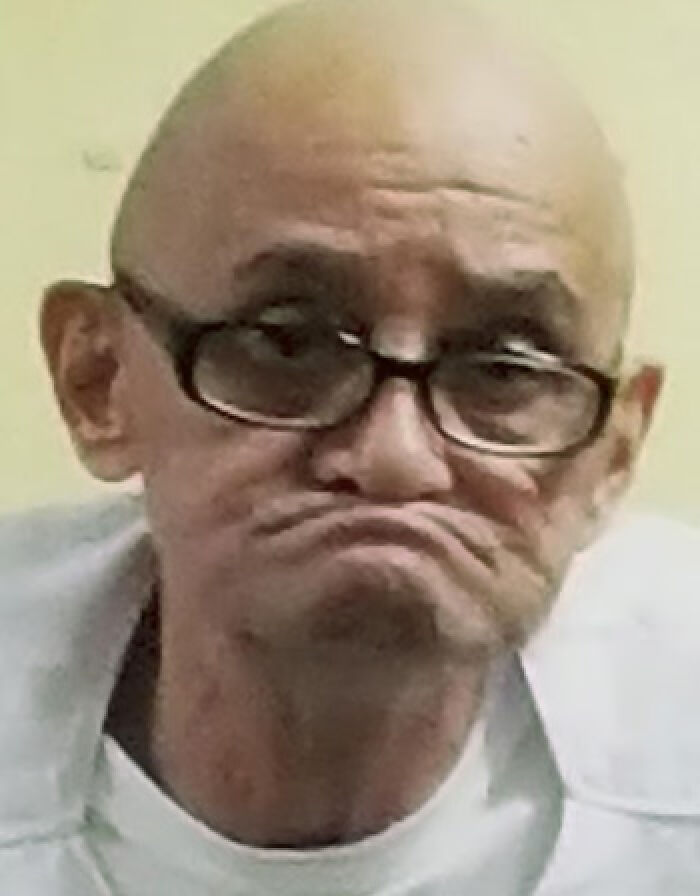
d***hpenaltyinfo
Columbus Dispatch reporter Marty Schladen, who witnessed the attempt, reported that Campbell “threw his head back and appeared to cry out in pain” when his leg was punctured.
After four unsuccessful attempts to establish a suitable IV line, officials stopped the procedure.
Gary Mohr, then director of the Ohio Department of Rehabilitation and Correction, said the decision was his.
“It was my decision that it was not likely that we’re going to access veins,” Mohr said.
Campbell’s attorney later said his client was overwhelmed by what had happened. According to Stebbins, Campbell told him, “This is a day I’ll never forget.”
Ohio Governor John Kasich granted Campbell a reprieve and rescheduled his lethal-injection procedure for June 5, 2019.
Stebbins, however, questioned whether Campbell’s veins would become easier to access, saying, “He’s 69 years old and has all kinds of illnesses and his veins are a mess. They’re just not going to get any better.”
Campbell never faced another attempt. He passed away in March 2025 after remaining on the capital punishment row following the failed 2017 procedure.
© Photo: Wikipedia
#8 Tony Caruthers
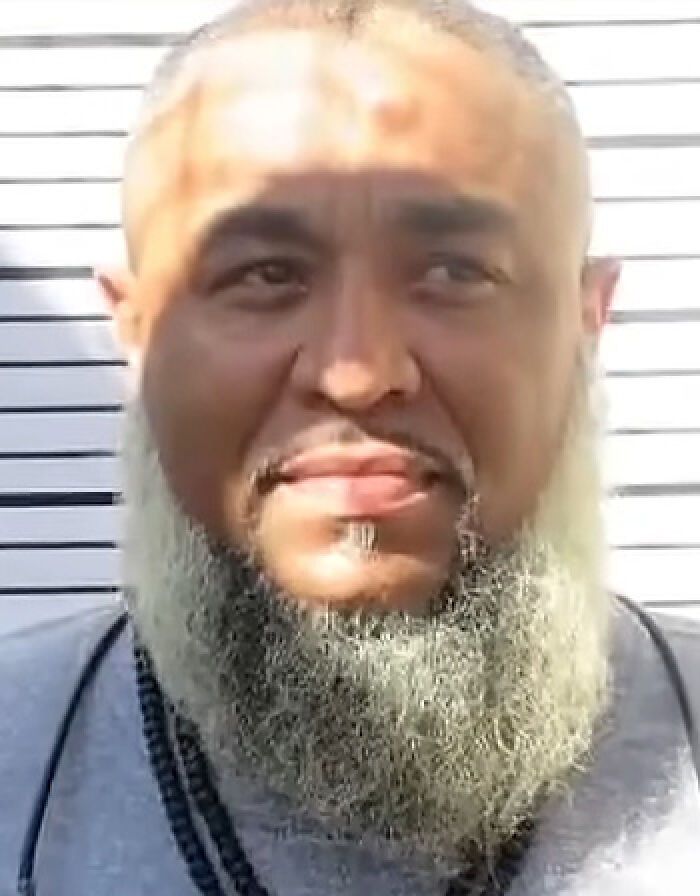
Carruthers became the ninth person in the past 80 years to survive a failed capital-punishment attempt when Tennessee could not establish the required IV access on May 21, 2026.
Carruthers had been sentenced to capital punishment for his alleged involvement in the 1994 slayings of Marcellos Anderson, Delois Anderson, and Frederick Tucker.
He maintained his innocence and argued that DNA and fingerprint evidence from the crime scene had never been properly tested. His lawyers also raised concerns about his mental illness and his representation at trial.
On May 21, Carruthers was taken to the capital punishment chamber at Riverbend Maximum Security Institution.
According to his attorney Maria DeLiberato, who witnessed the procedure, medical workers repeatedly tried to establish IV access in his arms and feet.
She said Carruthers was “wincing and groaning” as they searched for a suitable vein.
The Tennessee Department of Correction later said the team successfully established a primary IV but could not establish the required backup line.
Officials then attempted to place a central line through a deeper vein near the collarbone and shoulder, but that attempt also failed.
After more than an hour, Governor Bill Lee ordered the warden to stop the procedure and later granted Carruthers a one-year reprieve.
DeLiberato criticized the lack of visibility into what happened inside the chamber.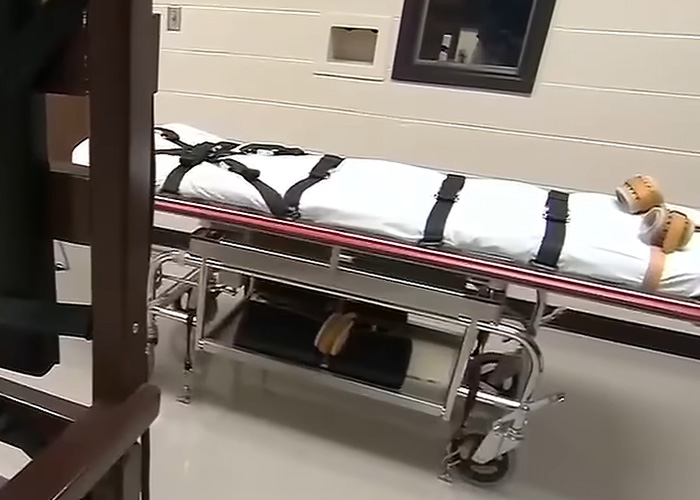
WSMV 4 Nashville/YouTube
“If the state of Tennessee is going to execute its own, there has to be complete transparency. There was no transparency here, and this botched execution showed why there must be.”
The failed attempt also brought scrutiny to Dr. Mark Walton Fowler, the physician who established IV access.
In a deposition, Fowler said he had last placed a central line around 2013 while working in an emergency room. He also confirmed that he did not currently have hospital privileges.
The Federal Public Defender’s Office filed a lawsuit seeking to prevent another IV-based attempt unless Tennessee uses someone currently qualified and authorized to perform the procedure.
Assistant Federal Defender Amy Harwell said, “Most medical professionals do not participate in lethal injections because it violates their ethical obligation ‘to do no harm.’”
Carruthers’ case also prompted more than 40 doctors and nurses to ask Tennessee officials to remove healthcare workers from the capital-punishment process.
Retired hematologist Dr. John Greer explained why central-line placement requires specialized expertise, saying, “Placing a central line is not just sticking a needle in a person’s arm.”
Tennessee’s protocol kept the viewing-room blinds closed while IV access was attempted, meaning media witnesses could not see the procedure.
A lawsuit filed by the Reporters Committee for Freedom of the Press and news organizations challenged that policy, arguing that it limits public visibility into potential problems.
Carruthers’ one-year reprieve remains in effect while litigation over another attempt continues.
© Photo: WSMV 4 Nashville/YouTube
from Bored Panda https://bit.ly/4hKR7az
via Boredpanda


