It has been said that the first sign of civilization was a healed broken bone found in an ancient human skeleton — meaning that someone once cared for an injured person and protected them. This proved that humans are naturally capable of compassion and social bonding. In today’s world, it can mean paying for a meal for a friend, listening to them when they want to vent, or even lending money when they need it. It is these little things that show we can count on each other. But a friend can only do so much, and often there comes a tipping point. A woman who recently lost her husband shared a similar tale about one of her friends. She spent years being there for her friend, who frequently leaves her long voice notes constantly complaining about her own life and her job. But the breaking point for her came when the friend asked for financial support to cover a few months. No timeline, no plan, just a voice note. It was the kind of thing that made her pause and question: when do you say yes, and when do you finally say enough?
Even the closest friendships can be hurt without clear boundaries
 Image credits: Karola G / Pexels (not the actual photo)
Helping friends is natural, but it can also make you feel overwhelmed

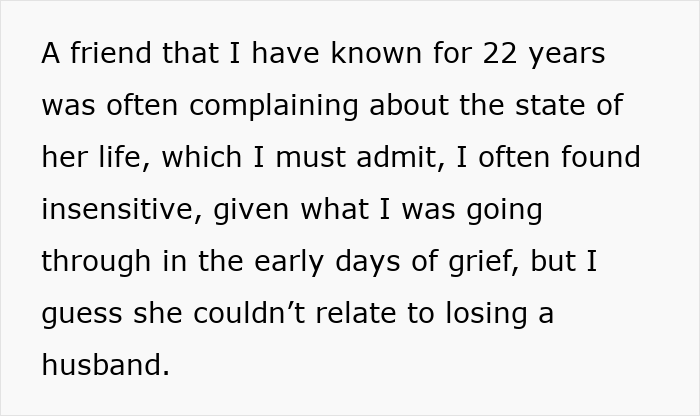
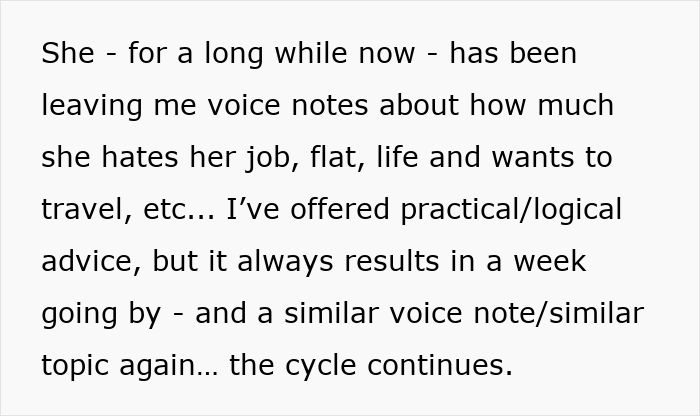
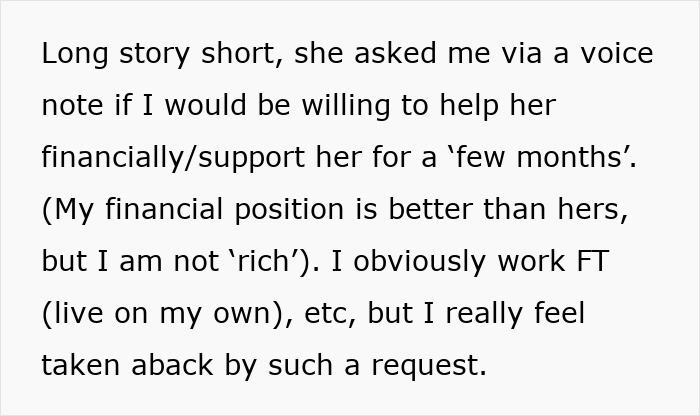
Some friends just don’t understand boundaries
 Image credits: Karola G / Pexels (not the actual photo)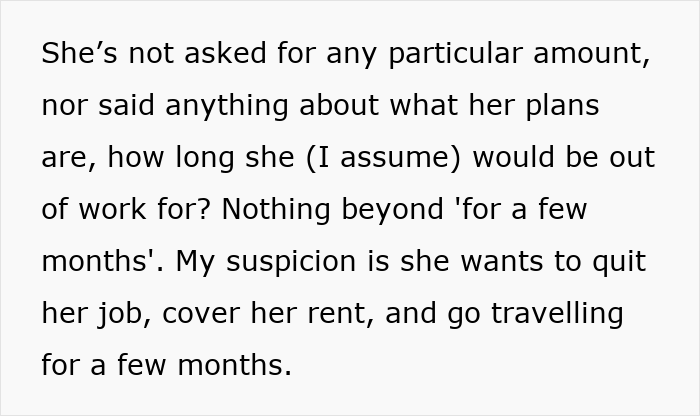


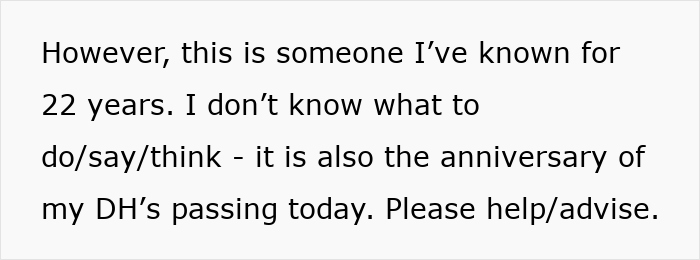 Image credits: winterhaze
  Image credits: fauxels / Pexels (not the actual photo)
Honest conversations can protect friendships, stop unnecessary fights
Helping others can strengthen bonds but without boundaries, it can often lead to resentment or burnout. Even long-standing friendships need clear limits to stay healthy. “It can be really hard to set boundaries in friendships — this is someone you care about and want to support. But you also cannot pour from an empty glass, and we all need breaks or reach our limits,” clinical psychologist and author Dr Amy Marschall, Psy.D., tells Bored Panda. “If you find yourself resenting your friend or dreading your interactions, that might mean that you need a break. It is better to take a break than to bottle that feeling up and lash out,” she adds. She says friendships are meant to be reciprocal. “If the balance never shifts, if the person seems to always need more and more from you without having the capacity to give back, that might mean that the balance is off and there is a need to set some boundaries.” Recent surveys also show that money is a major reason for arguments in personal relationships. According to a 2025 study, 41% of Americans say they have had tension with a friend over money, while 36% admit a friendship has even ended because of it. “Of the 77% of Americans who’ve lent money to a friend, 19% say it affected their friendship negatively the last time they did and 32% didn’t get their money back,” the study shows. Matt Schultz, a financial analyst at LendingTree that did this study, told KJRH-TV, Oklahoma, that much of the tension and problems around money and friendship could be avoided with a simple, honest conversation upfront. He also said that sometimes it is okay to refuse a friend’s request for money, and if they are your true friends, they will understand. Dr Marschall echoed the sentiment, saying: “A friend who truly cares about you will want you to get your needs met even if the boundary means that you cannot support them like you have in the past.” “If you have struggled to set boundaries in the past, some people take advantage of that and might not like that you are setting them now. In that case, the person is not truly a friend to you,” she adds.
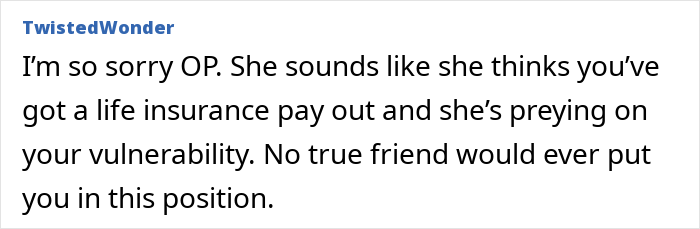
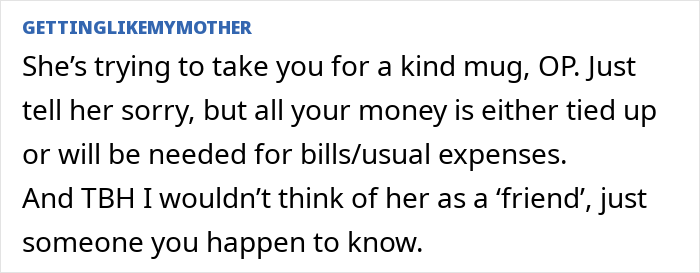
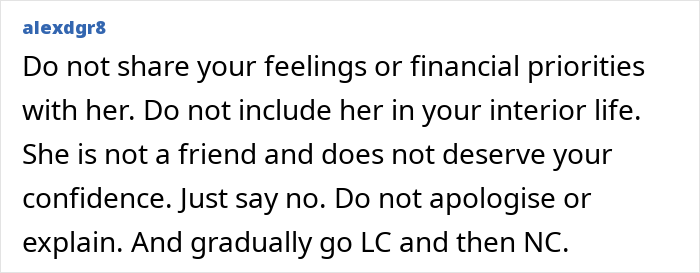
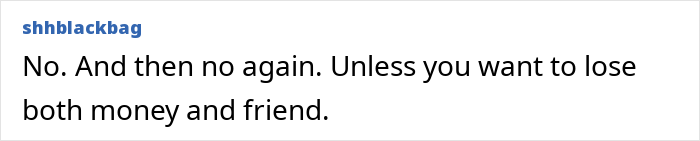
Internet shows sympathy, asks her to set clear boundaries
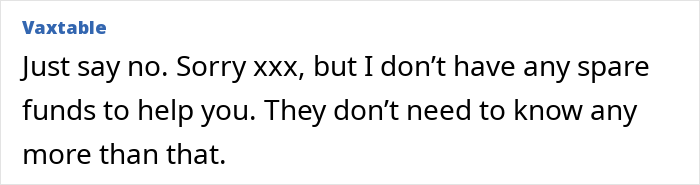
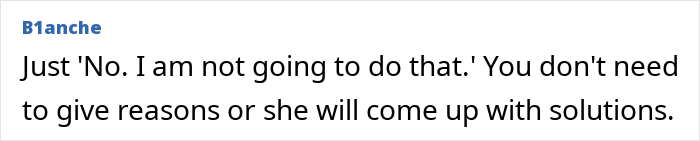
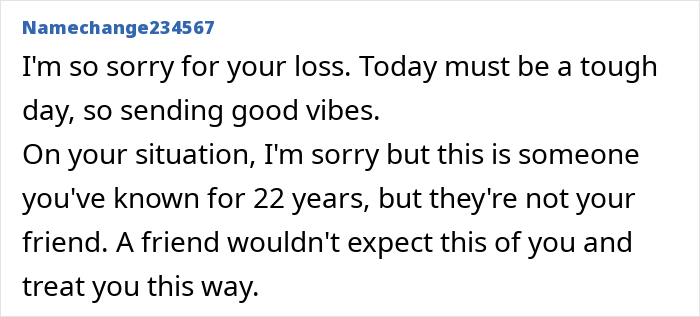
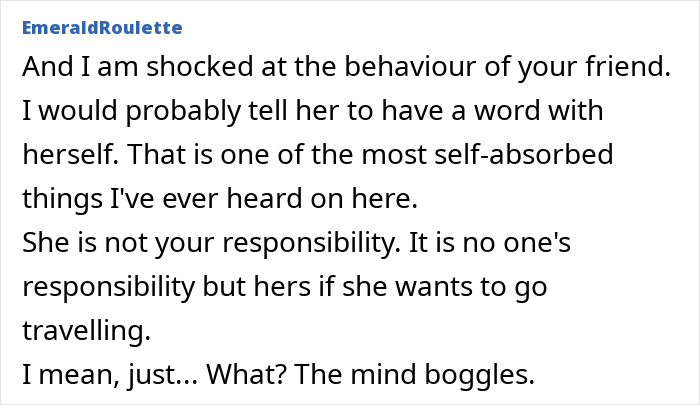
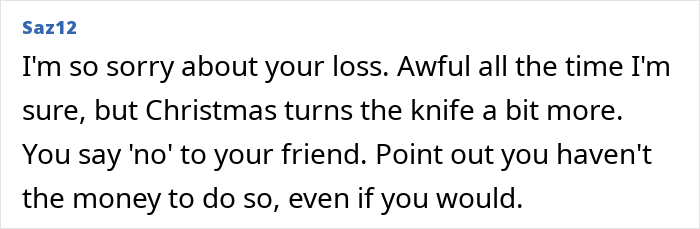
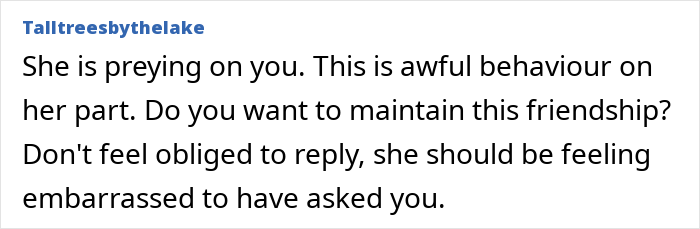
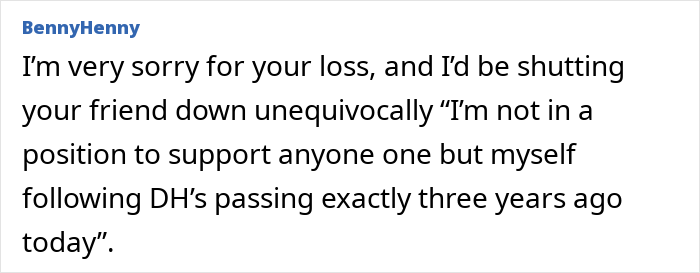
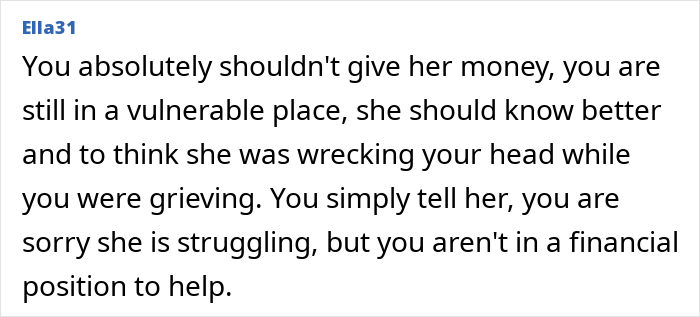
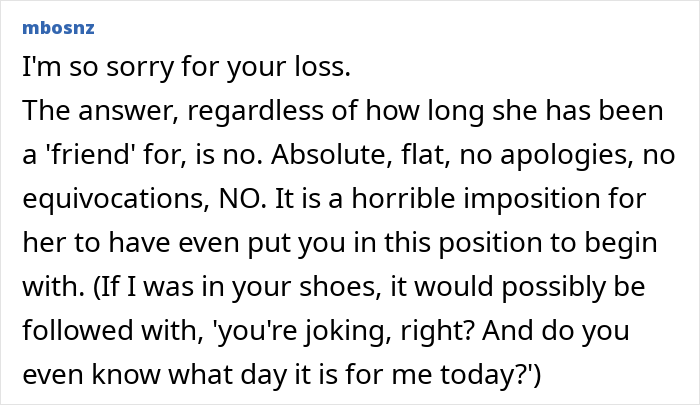

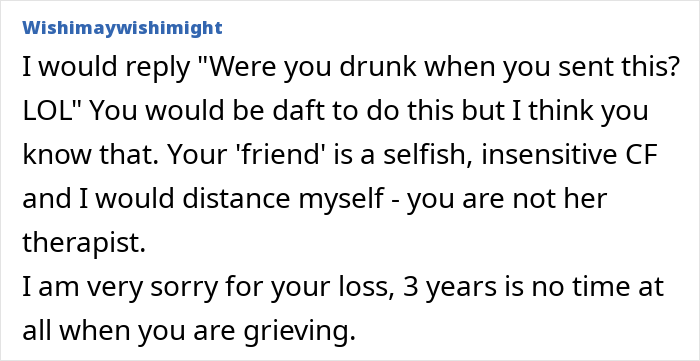
The consensus was clear: saying no doesn’t make her a bad friend
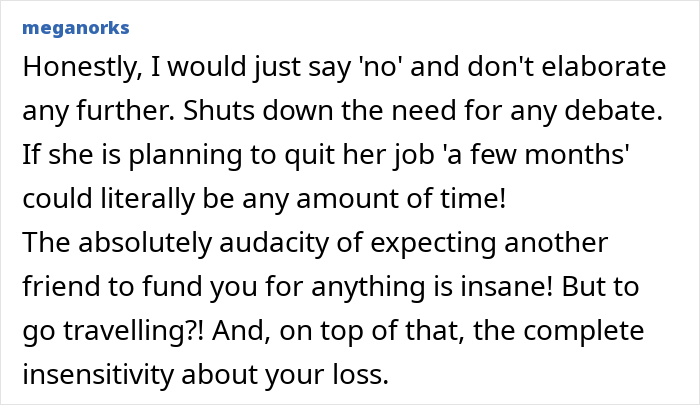
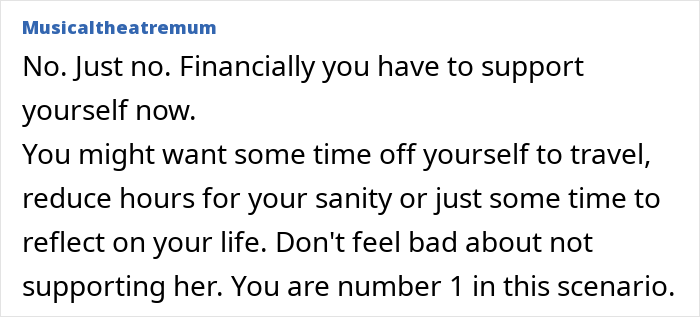
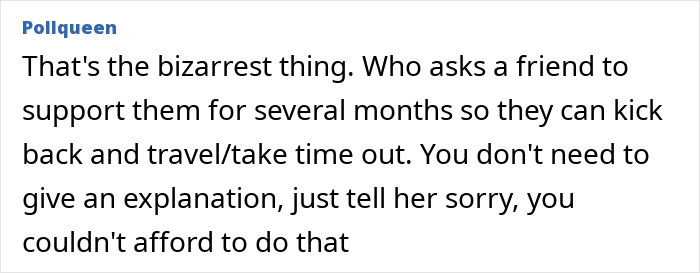
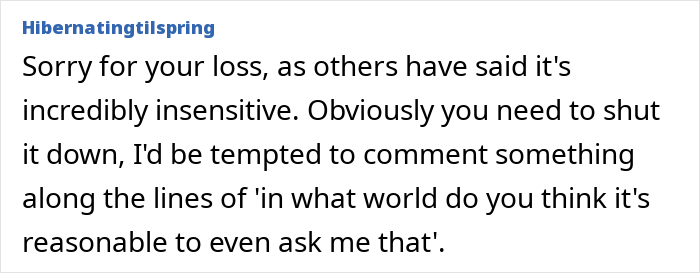

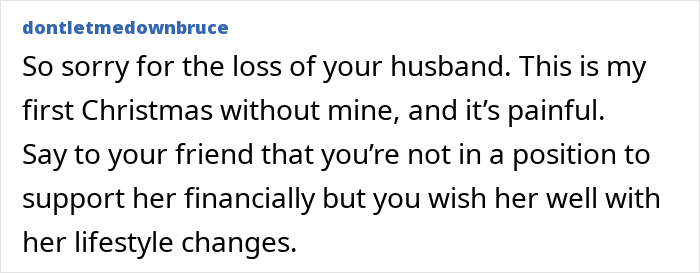
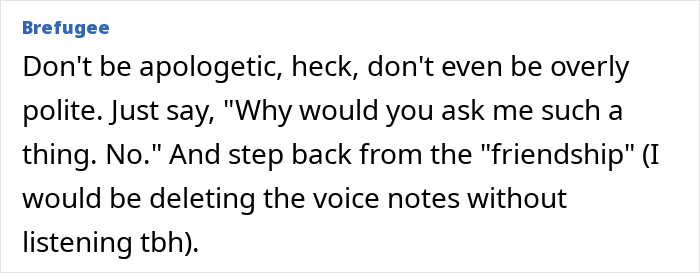
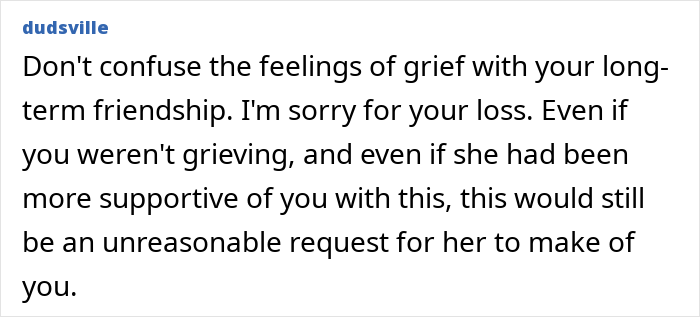
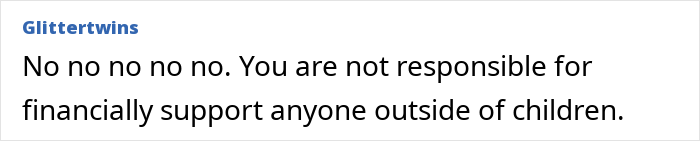
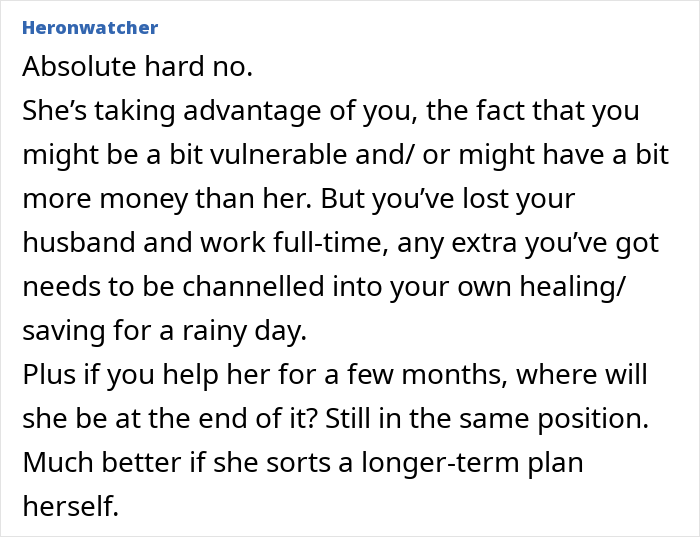

The conversation with the friend didn’t end there

What came next only deepened her disappointment
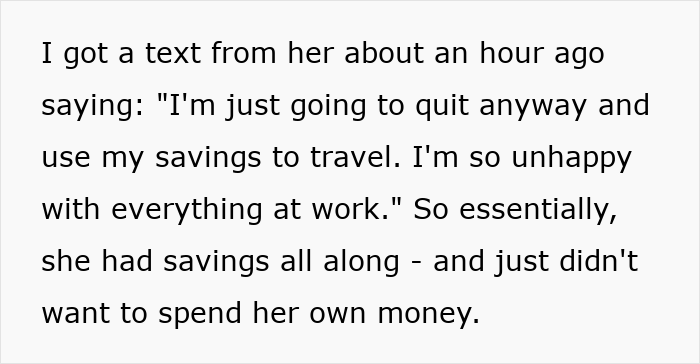
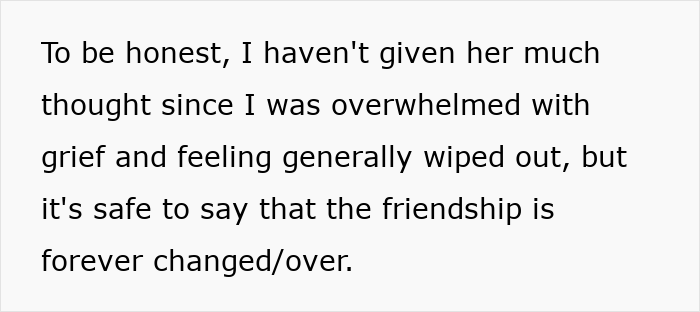
 Image credits: Karola G / Pexels (not the actual photo)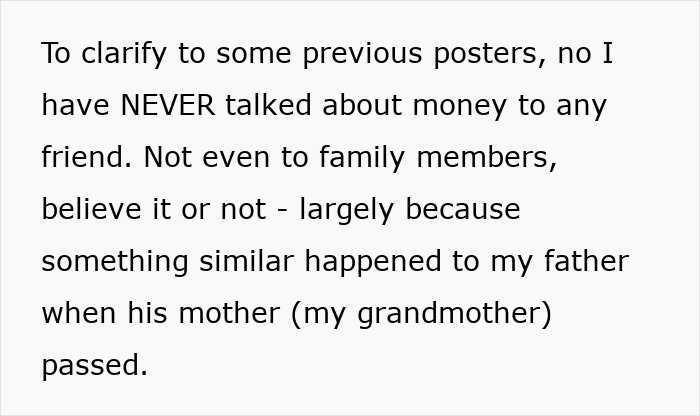
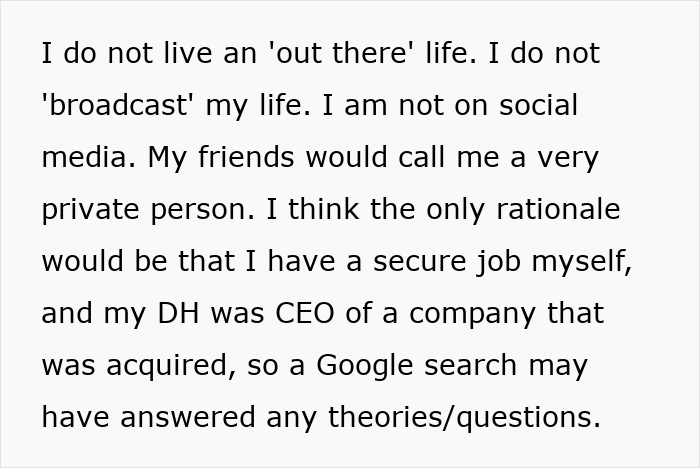
 Image credits: winterhaze
from Bored Panda https://ift.tt/HdQsAgm
via Boredpanda


